This exhibition has ended and is no longer on display. View Current Exhibitions
Black Baseball in Living Color: The Artwork of Graig Kreindler
2023 exhibition in the Auditorium Showcase
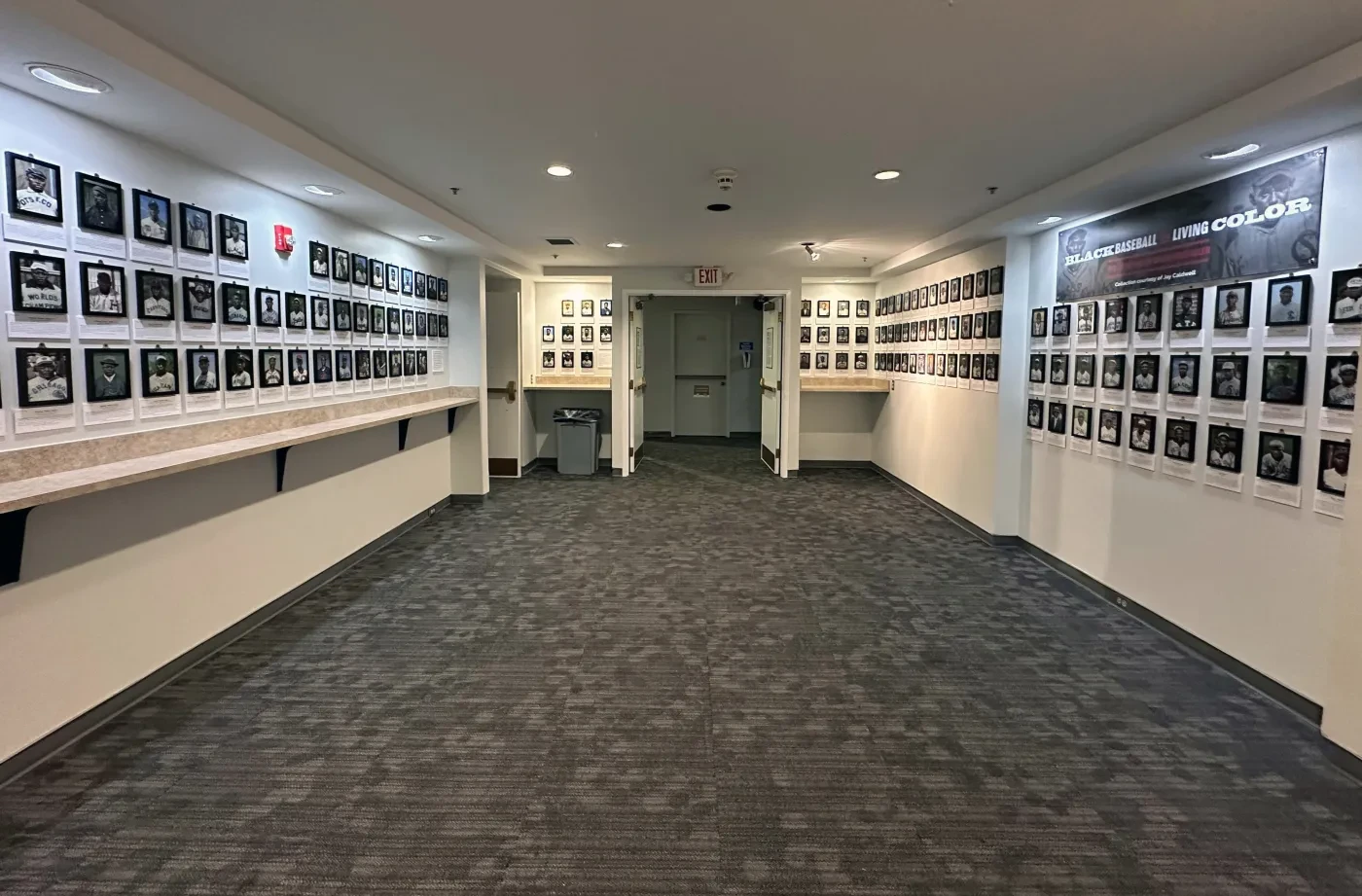
Black Baseball in Living Color is an exhibition of 237 individual portraits of Black baseball players from 1867–1954, interpreted through the paintbrush of artist Graig Kreindler.
During all but the last eight years of nearly a century, baseball games were played on a segregated basis and usually only covered by the weekly Black newspapers of the era. This exhibition brings some of the accomplished and forgotten players of the era, who were previously only seen in black and white photographs, vibrantly to life.
The Eras:
- Black Baseball in the 19th Century (1867-1899) As baseball developed in the Northeast, the Black population was geographically removed. Over 91% of the Black population in 1860 lived in the states of the Confederacy or the border states. Early Black ball players found it difficult to establish themselves on professional teams.
- Latin Winter Leagues (1900-1950) Baseball first expanded to Cuba. Through shared sacrifice in the war of independence against Spain, the previously segregated Cuban leagues integrated in 1900. Cuba soon became a winter home for American Black players.
- The Dead Ball Era (1900—1919) Independent teams primarily played a barnstorming schedule against all competitors. Like their White counterparts, the offensive game focused on speed, advancing the runner, and playing to score a single run at a time.
- Birth of the Negro Leagues (1920-1929) Led by the vision of Rube Foster and assisted by C.I. Taylor, and J.L. Wilkinson, the Negro National League was formed on February 13, 1920 inaugurating league play in the Midwest. In 1923, Ed Bolden formed the Eastern Colored League to bring organized Black baseball to the East Coast.
- Surviving the Great Depression (1930-139) The twin economic cataclysms of the Great Depression and the Dust Bowl scrambled baseball. Leagues and teams folded. The Negro Leagues were saved in large part by the emergence of a new generation of stars, chief among them Satchel Paige and Josh Gibson.
- The War Years (1940 – 1946) In Mexico, Jorge Pasquel tried to form a third major league by attracting Latin, Black, and White players. The combination of the death of Commissioner Judge Landis, the threat of the Mexican League, and the shared sacrifice of the war, chipped away at the walls of segregation. The financially and athletically successful barnstorming trip in 1946 between White players led by Bob Feller and Black players led by Satchel Paige showed there was no turning back.
- Integration (1947 – Current) Led by Jackie Robinson and Larry Doby, baseball was forever changed for the better.
-
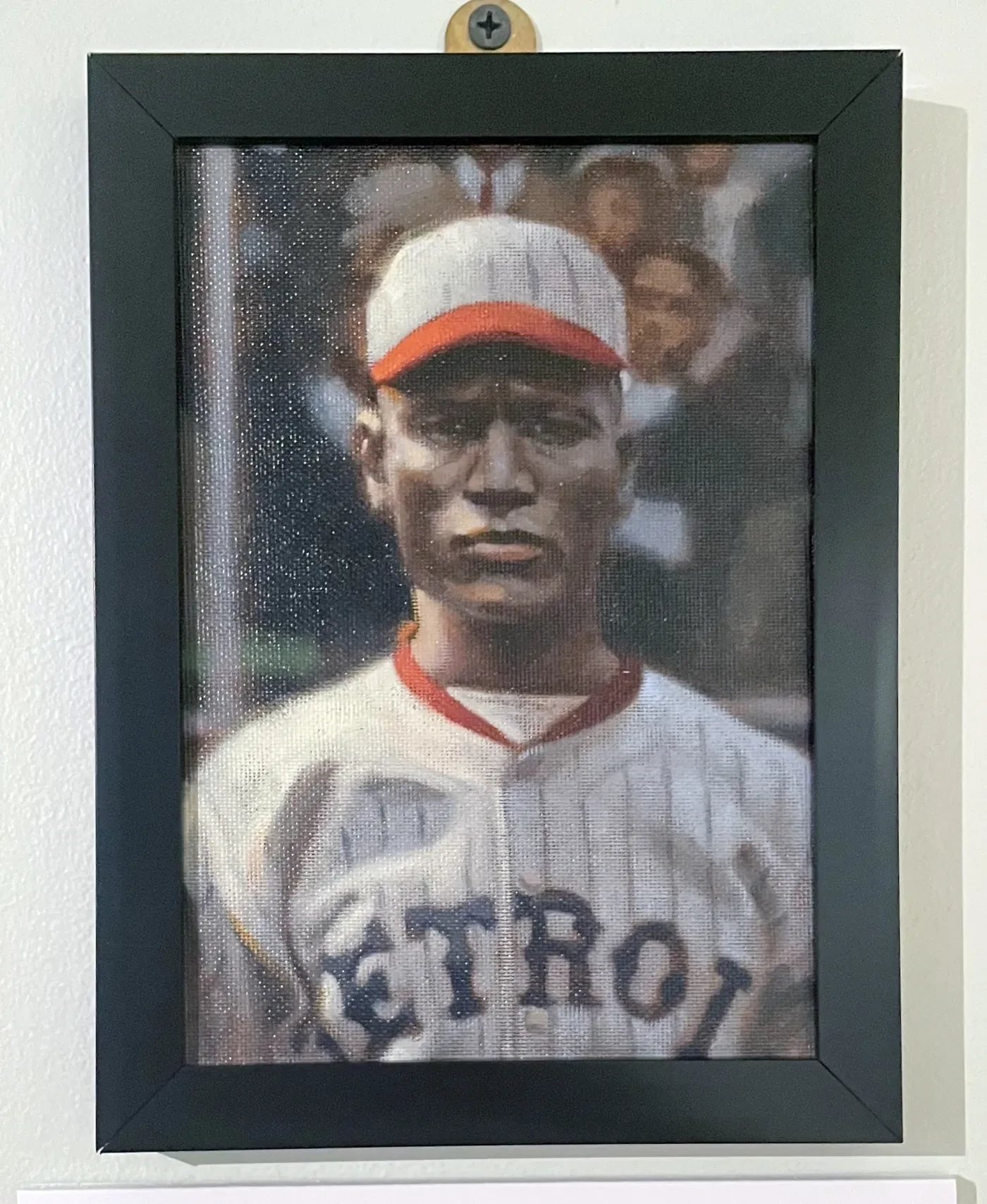
Norman "Turkey" Stearnes, 1925 Detroit Stars
-
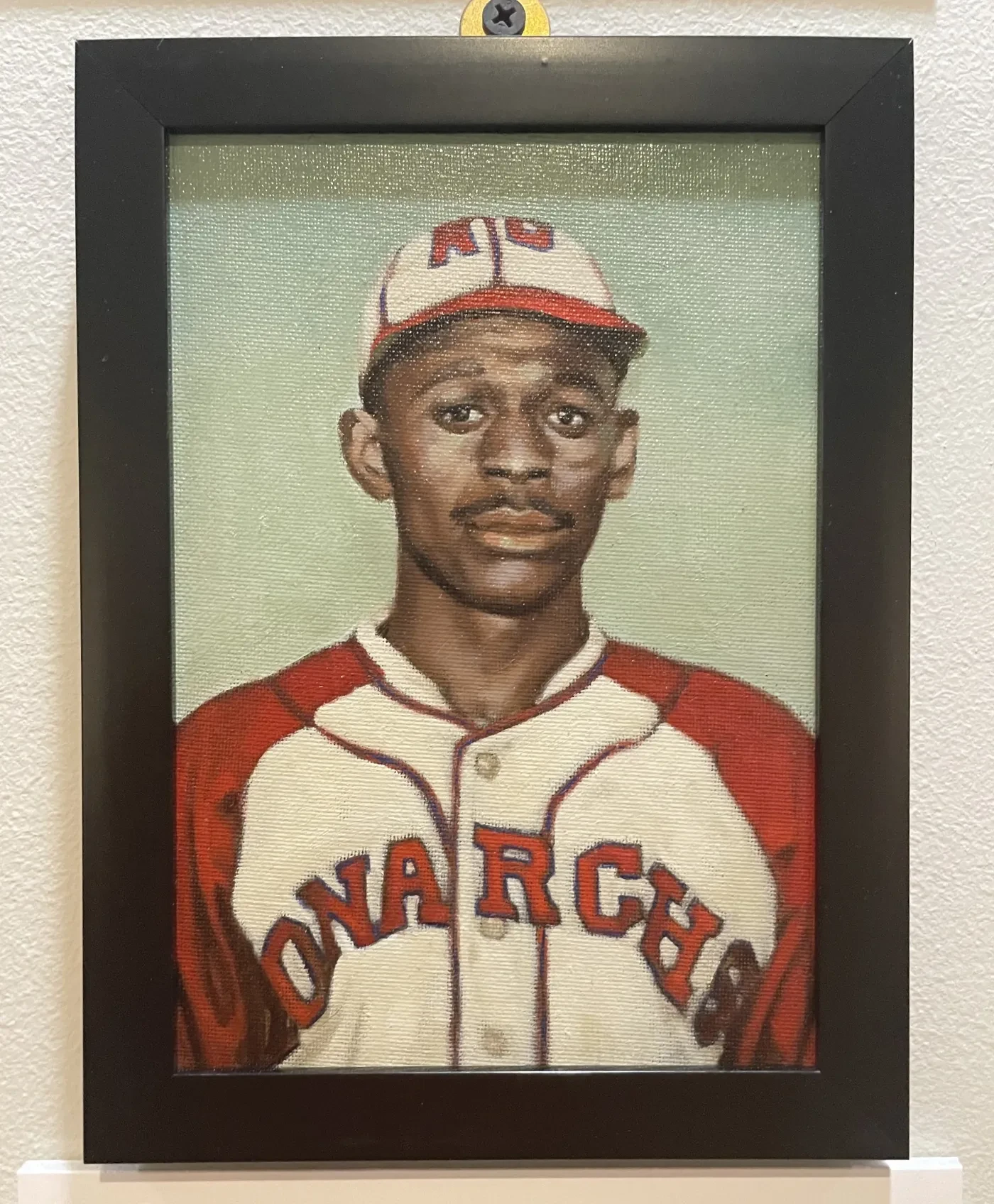
Leroy "Satchel" Page, 1942 Kansas City Monarchs
-
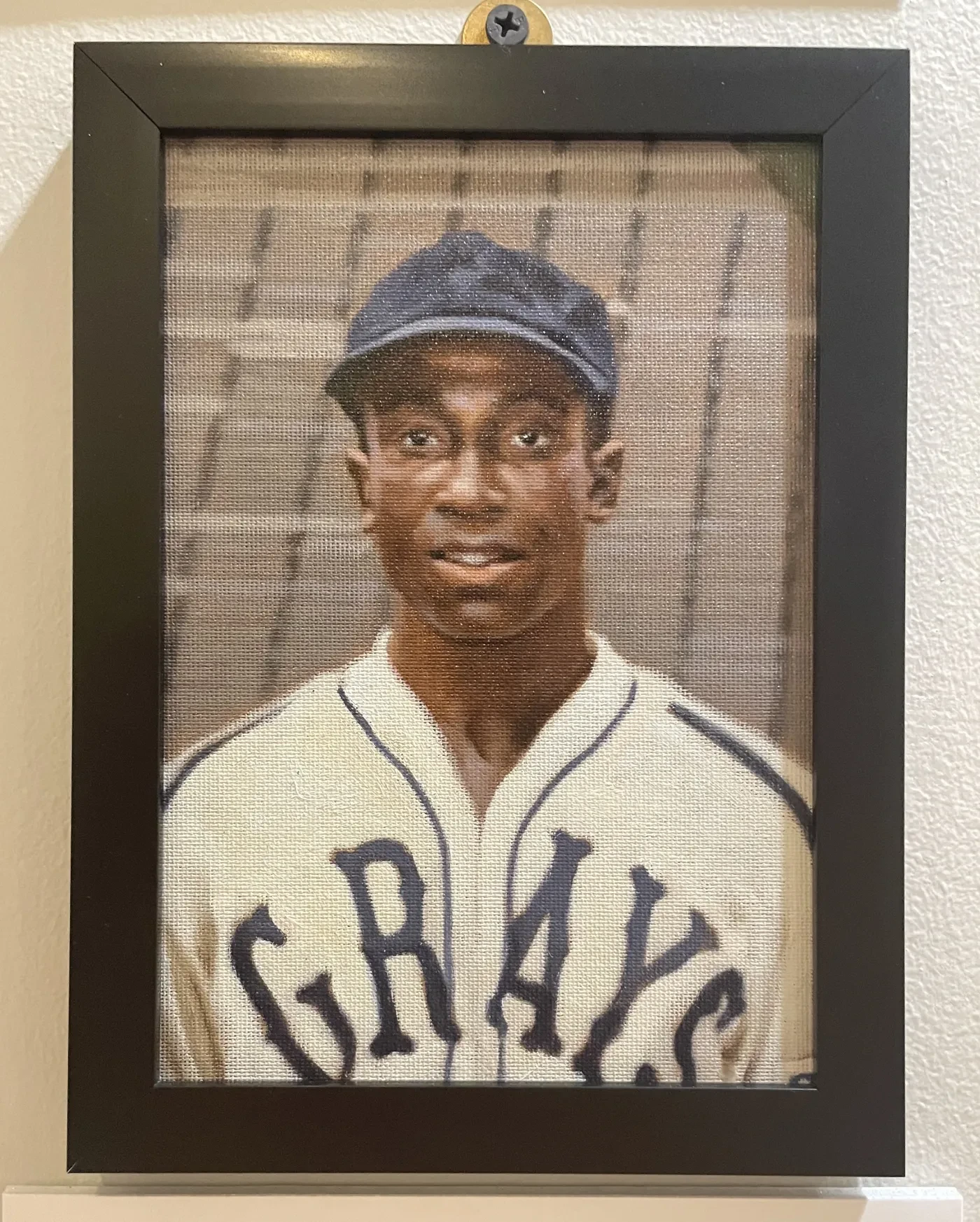
James "Cool Papa" Bell, 1943 Homestead Grays
-
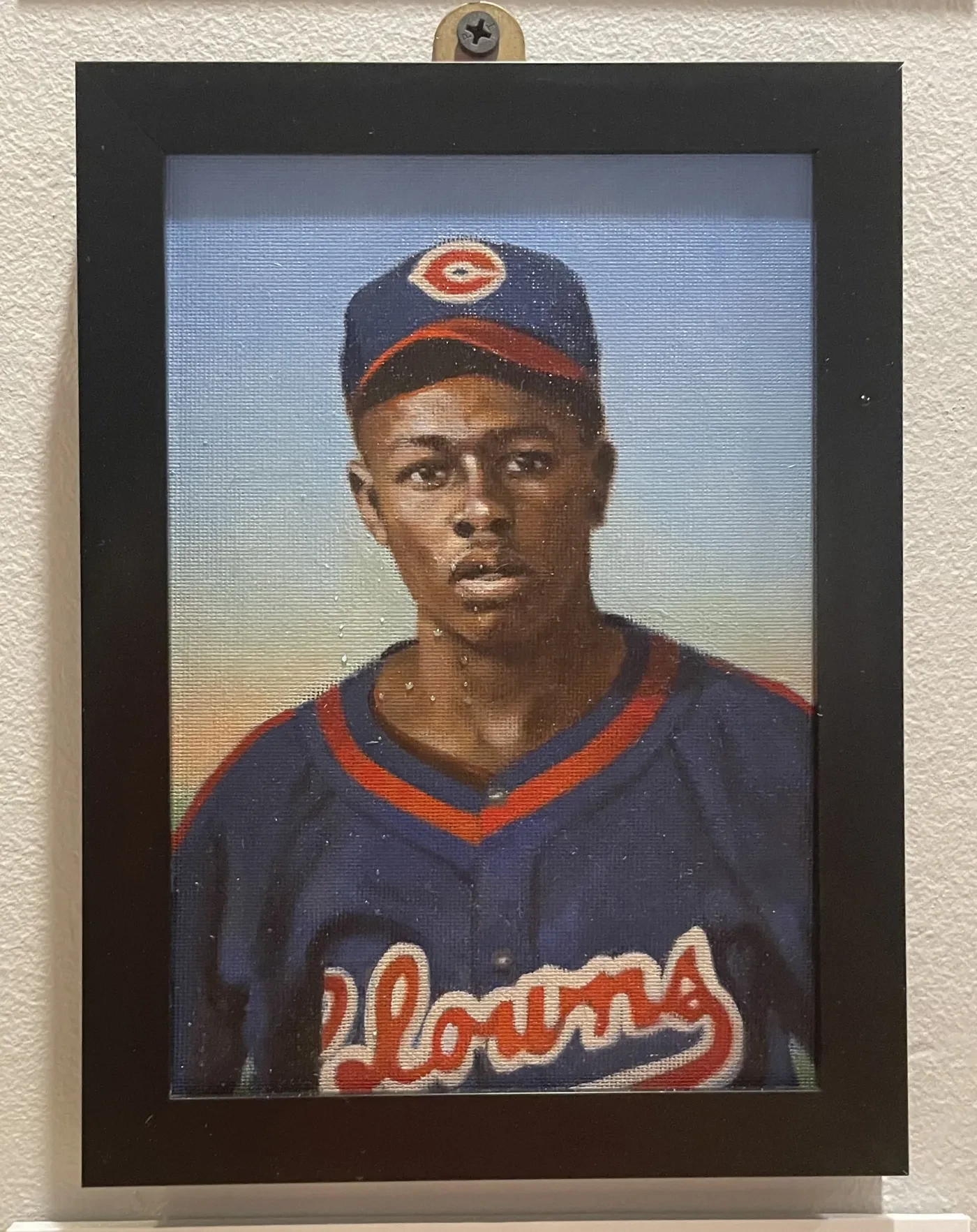
Hank Aaron, 1952 Indianapolis Clowns
-
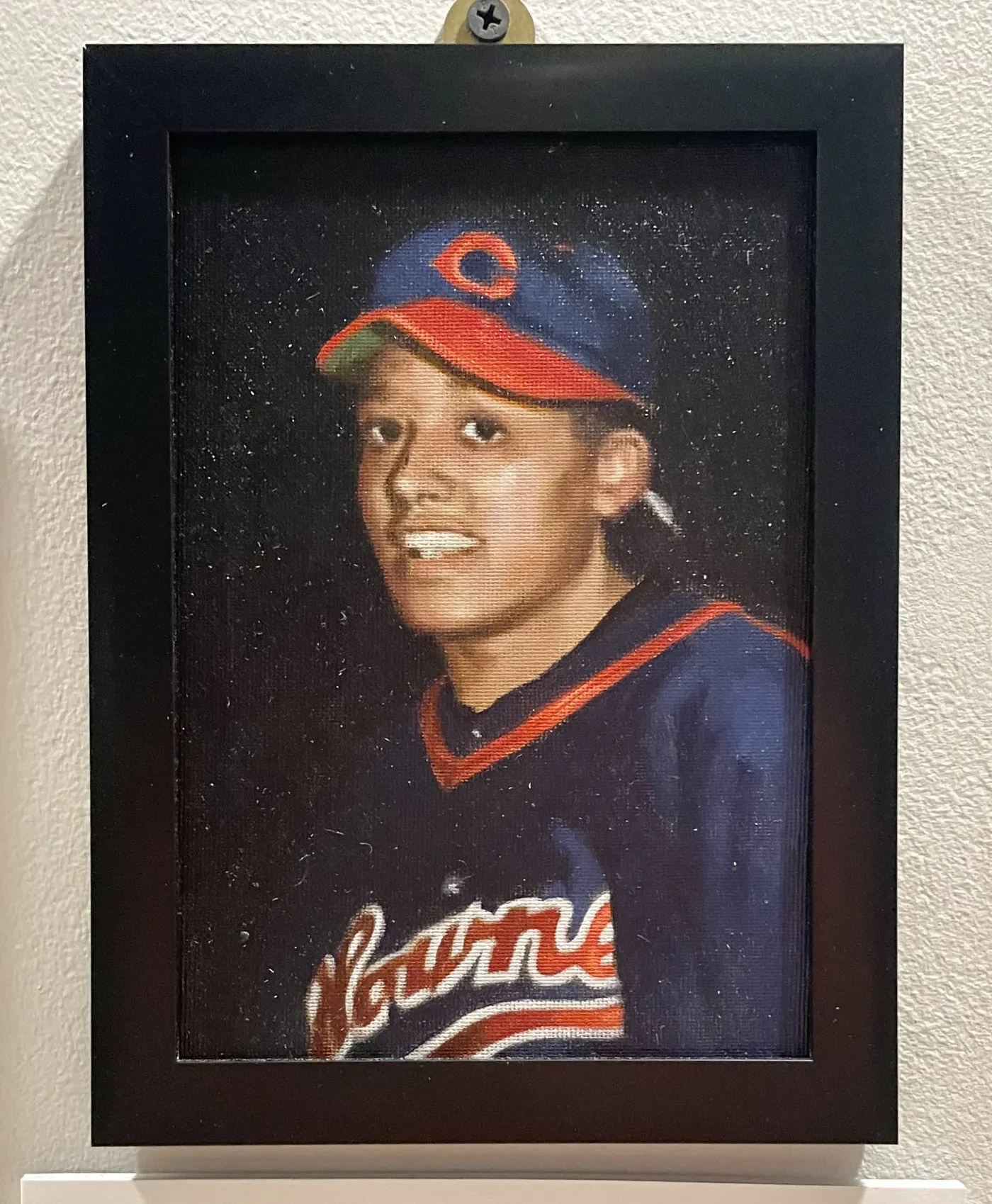
Connie Morgan, 1954 Indianapolis Clowns
-
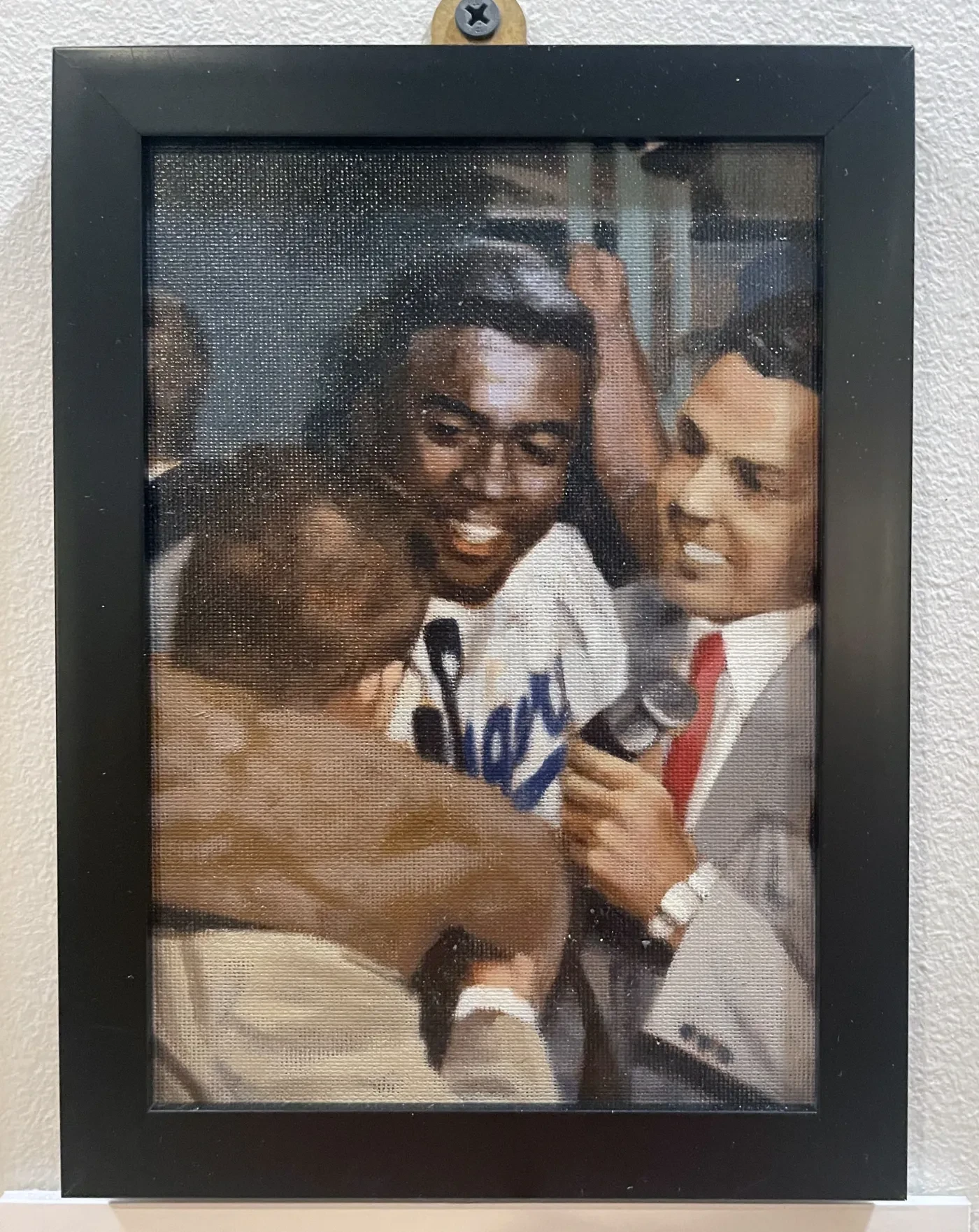
Jackie Robinson, 1955 Brooklyn Dodgers
-